LED Projects

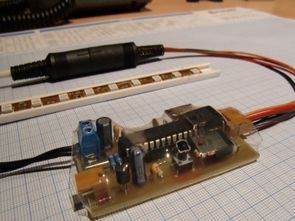
USB RGB LED STRIP CONTROL PIC18F2550 MOSFET DRIVER CIRCUIT

USB RGB LED STRIP CONTROL PIC18F2550 MOSFET DRIVER CIRCUIT

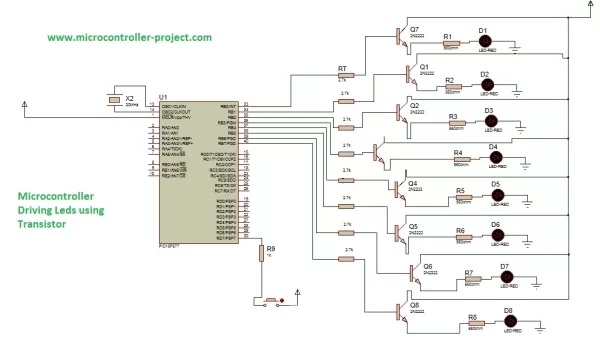
RGB LED control circuit based on the PIC18F2550 microcontroller communication is done via the computer’s USB port can be controlled RGB LED strip through the program (rapid color change, slow color change) LEDs can change color according to the… Electronics Projects, USB RGB Led Strip Control PIC18F2550 Mosfet Driver Circuit “led projects, microchip projects, microcontroller projects, pic18f2550 projects, […]

USB RGB LED STRIP CONTROL PIC18F2550 MOSFET DRIVER CIRCUIT Read More »
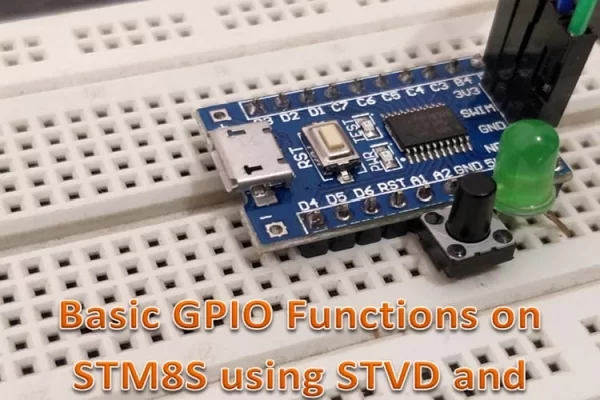
GPIO Functions on STM8S using Cosmic C and SPL – Blinking and Controlling LED with Push Button

GPIO Functions on STM8S using Cosmic C and SPL – Blinking and Controlling LED with Push Button

For microcontrollers, an LED blinking program is equivalent to the “hello world” program. In our previous tutorial, we learned how to get started with STM8S103F3 Development Board and how to set up the IDE and compiler to program our STM8S controllers. We have also learned how to use the standard peripheral libraries, and how to compile and

GPIO Functions on STM8S using Cosmic C and SPL – Blinking and Controlling LED with Push Button Read More »

Simple GPIO Functions on Nuvoton N76E003 LED Blinking and Controlling LED using a Push Button

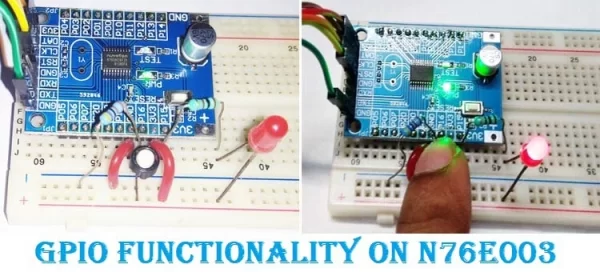
Simple GPIO Functions on Nuvoton N76E003 – LED Blinking and Controlling LED using a Push Button

In our previous tutorial, we used a basic LED blinking program as a getting started with N76E003 guide, we already learned how to configure the Keil IDE and set up the environment for programming the nuvoton microcontroller unit N76E003. It is the time to move a little bit further and use the basic GPIO interface for controlling additional hardware. If you

Simple GPIO Functions on Nuvoton N76E003 – LED Blinking and Controlling LED using a Push Button Read More »

Timers on Nuvoton N76E003 Microcontroller Blink LED using Timer ISR and Timer Delay

Timers on Nuvoton N76E003 Microcontroller – Blink LED using Timer ISR and Timer Delay

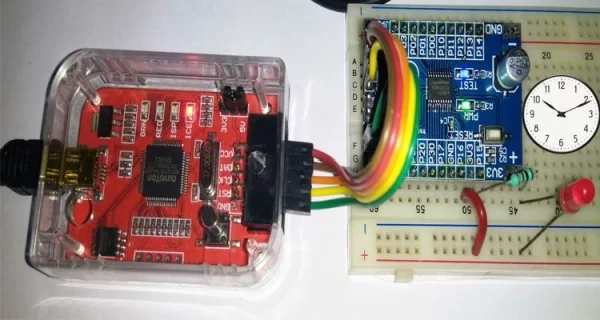
In our previous Nuvoton Microcontroller tutorials, we used a basic LED blinking program as a getting started guide and also interfaced GPIO as an input to connect a tactile switch. With that tutorial, we are fully aware of how to configure the Keil project and set up the environment for programming N76E003 Nuvoton microcontroller. It is time to

Timers on Nuvoton N76E003 Microcontroller – Blink LED using Timer ISR and Timer Delay Read More »

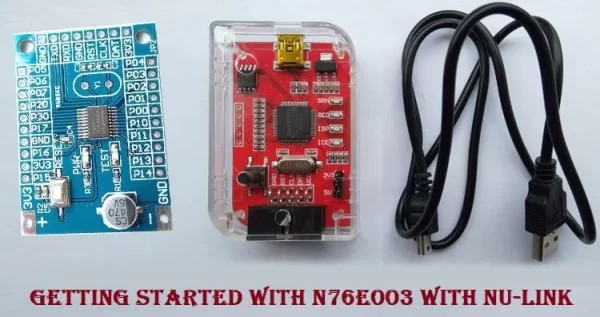
PWM Signal on Nuvoton N76E003 Microcontroller LED Dimming using Duty Cycle Control

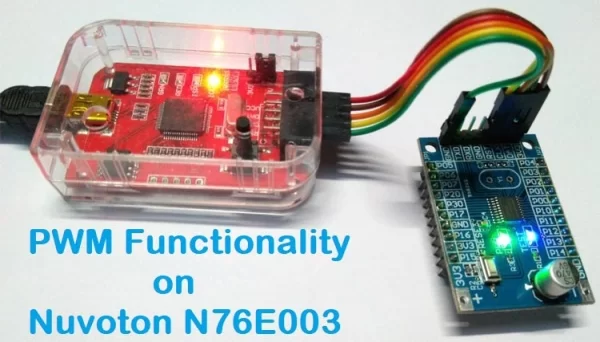
PWM Signal on Nuvoton N76E003 Microcontroller – LED Dimming using Duty Cycle Control

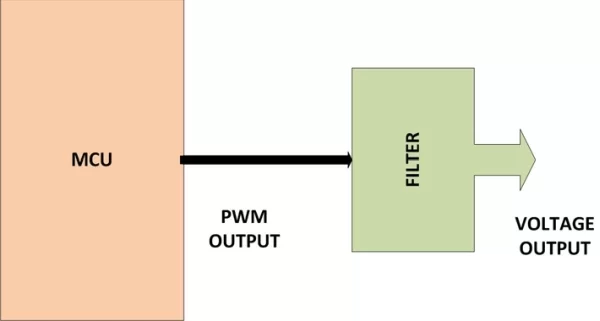
Pulse Width Modulation (PWM) is a commonly used technique in microcontrollers to produce a continuous pulse signal with a defined frequency and duty cycle. In short, PWM is about changing the width of a pulse while the frequency is constant. A PWM signal is mostly used in controlling a servo motor or brightness of an

PWM Signal on Nuvoton N76E003 Microcontroller – LED Dimming using Duty Cycle Control Read More »

Circuit Diagrams ......

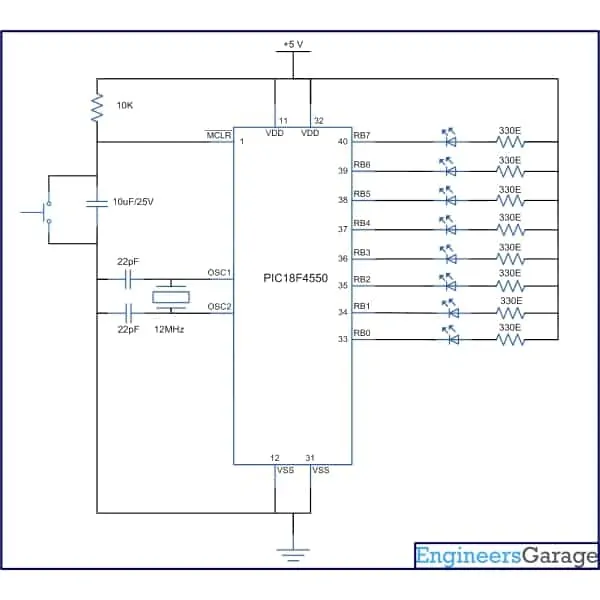
How to interface LEDs with PIC Microcontroller (PIC18F4550)

It is necessary to understand basic I/O operations of PIC18F4550 before dealing with its complexities. This article presents a way to take simple output from a PIC microcontroller. This learning would also help in interfacing of external devices with the controller. Here the output from the microcontroller is taken on a set of LEDs which are made to blink in an

How to interface LEDs with PIC Microcontroller (PIC18F4550) Read More »

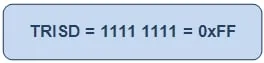
Bit Configuration of TRISD Register with PortD as input in PIC18F4550

How to take input with PIC18F4550 Microcontroller

Any microcontroller based system typically has an input and a corresponding output. Taking simple output with a PIC microcontroller has been explained in LED blinking with PIC18F4550. This article explains how to provide an input to the controller and get a corresponding output using PIC18F4550. PIC18F4550 has a total of 35 I/O (input-output) pins which are distributed among 5 Ports. Each Port of a PIC

How to take input with PIC18F4550 Microcontroller Read More »