Projects

This comprehensive hub features the most popular PIC microcontroller projects and tutorials for engineers, hobbyists, and students. From basic LED blinking guides to advanced IoT and robotics implementations using PIC16F and PIC18F microcontrollers, explore step-by-step schematics, C source code, and practical hardware design solutions optimized for real-world applications..

This comprehensive hub features the most popular PIC microcontroller projects and tutorials for engineers, hobbyists, and students. From basic LED blinking guides to advanced IoT and robotics implementations using PIC16F and PIC18F microcontrollers, explore step-by-step schematics, C source code, and practical hardware design solutions optimized for real-world applications.

Project Category Recommended PIC IC Skill Level Key Components
Basic Interfacing PIC16F84A / PIC16F877A Beginner LEDs, Push Buttons, 16×2 LCD
Sensor Monitoring PIC16F877A Intermediate LM35, DHT11, Internal ADC
Motor & Power Control PIC18F4550 / PIC16F877A Intermediate L298N Driver, PWM Module
IoT & Wireless PIC18F4520 / PIC32 Advanced ESP8266, HC-05 Bluetooth, UART
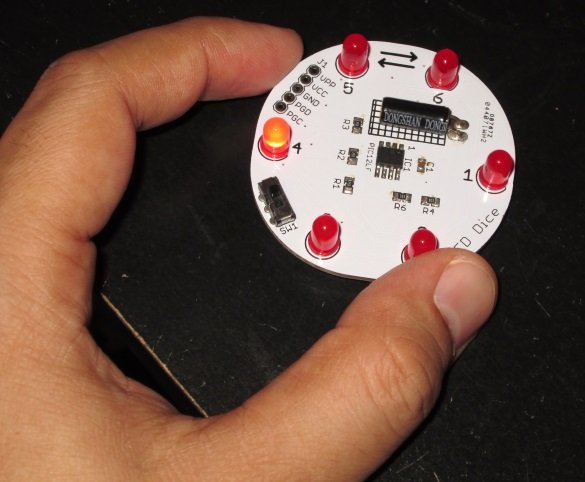
Running LED dice

Running LED dice

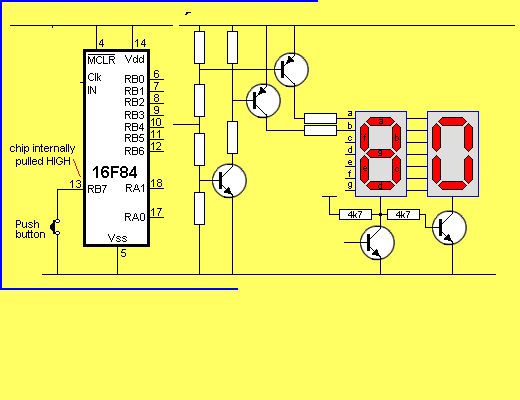
Tons of LED dice projects with different output forms have been published online. The most common output configuration in those projects is a 3-1-3 setup (two rows of three LEDs and one LED at in the middle) of seven LEDs, which simulates the actual patterns of dots found on the six faces of a traditional

Running LED dice Read More »

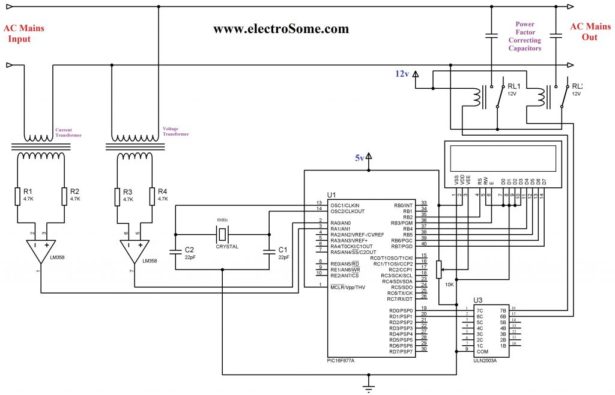
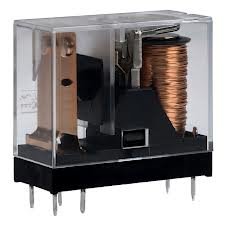
Interfacing Relay with PIC Microcontroller

Understanding the Role and Function of Relays in Electrical Circuits

A relay is an electromagnetic switch which is used to switch High Voltage/Current using Low power circuits. Relay isolates low power circuits from high power circuits. It is activated by energizing a coil wounded on a soft iron core. The Role and Function of Relays include controlling the flow of electricity between circuits, providing electrical

Understanding the Role and Function of Relays in Electrical Circuits Read More »