


Summary of SIX-LEGGED BASIC STAMP2 SPIDER ROBOT PROJECT
The article describes a mechanically detailed six-legged spider robot project controlled by a Basic Stamp 2 microcontroller (PIC-based). The robot is powered by a 7.2 V NiCd battery pack and supports RC5 remote control input, includes various sound effects, and provides full circuit resources (code, ORCAD schematic) for builders. Project files are shared for hobbyists to reproduce or learn from.Parts used in the Six-Legged Basic Stamp2 Spider Robot Project:
- Basic Stamp 2 module (PIC-based microcontroller)
- 7.2 Volt NiCd battery pack
- RC5 remote control receiver
- Motor drivers (for leg actuators)
- Leg actuators (motors/servos for six legs)
- Sound effects generator or audio circuit
- OrCAD schematic files (circuit design files)
- Wiring, connectors, and chassis hardware
- Supporting electronic components (resistors, capacitors, etc.)
- Project documentation and source code files

Spider robot mechanically quite a detailed project control system based on pic microcontroller Basic Stamp 2 module is provided with circuit 7.2 Volt NiCad batteries in addition to the fed with the RC5 remote support, there is a variety of sound effects Robot circuit all sources (codes, orcad schema etc) shared a robotic jobs for people dealing with an enlightened project
SPIDER ROBOT SHOW
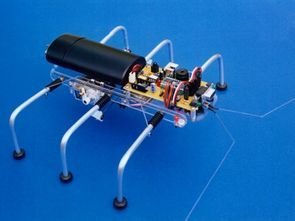
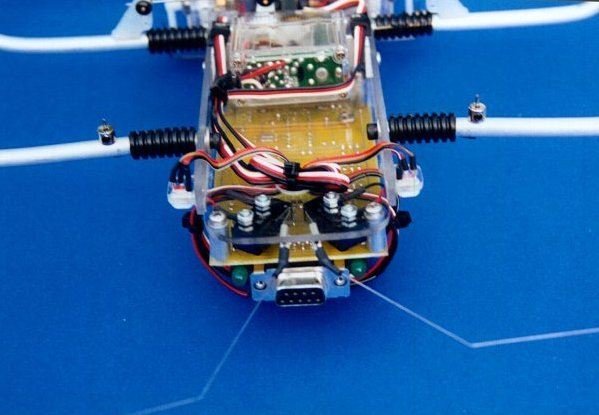
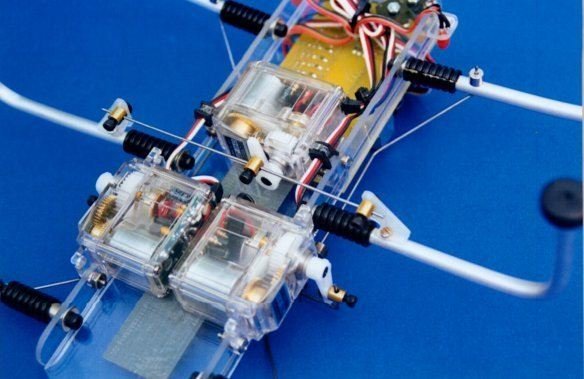

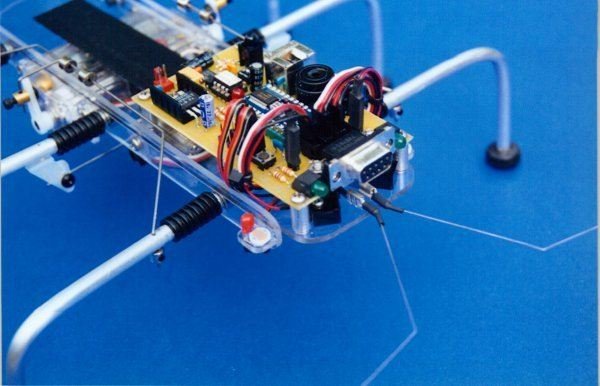
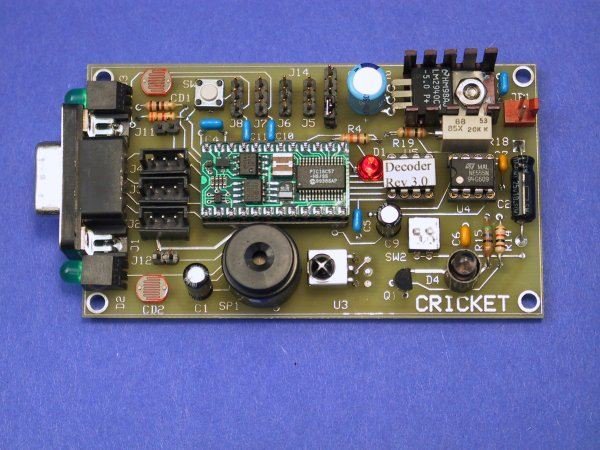

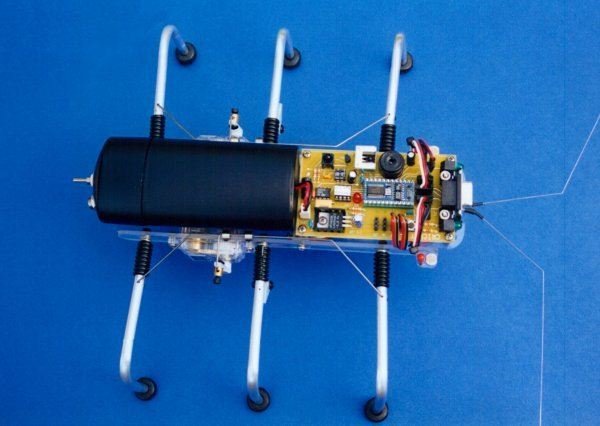
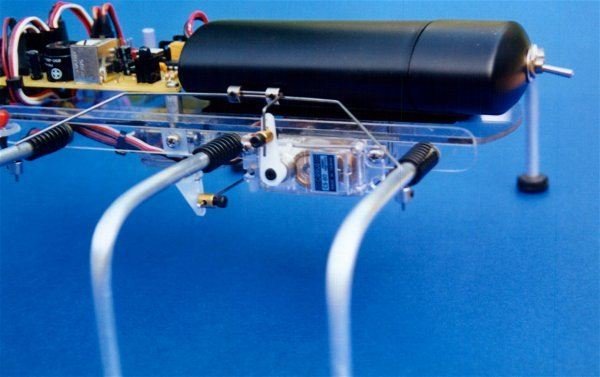
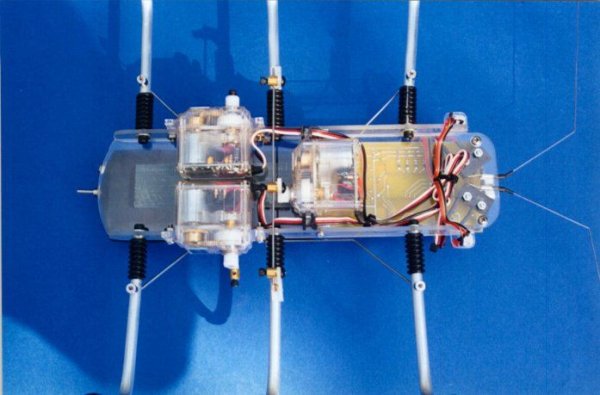
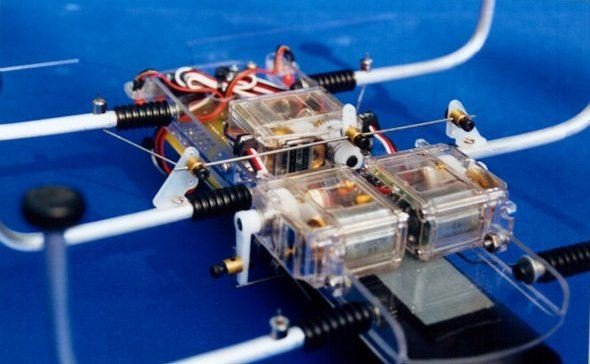
Source: SIX-LEGGED BASIC STAMP2 SPIDER ROBOT PROJECT alternative six-legged-basic-stamp-2-spider-robot-project.rar
Quick Solutions to Questions related to Six-Legged Basic Stamp2 Spider Robot Project:
- What microcontroller is used in the spider robot project?
The project uses a Basic Stamp 2 module (PIC-based microcontroller). - What power source does the robot use?
The robot is powered by a 7.2 Volt NiCd battery pack. - Does the robot support remote control?
Yes, the robot supports RC5 remote control input. - Are sound effects included in the robot design?
Yes, the project includes a variety of sound effects and the related audio circuit. - Are circuit schematics and code provided?
Yes, circuit resources including code and OrCAD schematics are shared with the project. - How many legs does the robot have?
The robot is a six-legged design. - Can hobbyists reproduce the robot from the provided files?
Yes, the project files are shared so people can reproduce or learn from the project. - What kinds of actuators are used for leg movement?
Leg movement is driven by motors or servos as the leg actuators.
Related projects
Real-Time CAN-Based Vehicle Monitoring System with PIC MCU
INTRODUCTION The Controller Area Network (CAN) is a robust vehicle communication bus standard that was primarily developed for automobile applications but has...
Motors & RoboticsEasy Way to Learn Robotics Using Microcontrollers: A Beginner’s Guide
The title, "Easy Way to Learn Robotics Using Microcontrollers," promises an accessible entry point for those curious about the exciting world of...
Motors & Robotics · PIC16F877AEfficient Sun-Following Robot: A Solar Tracker with Microcontroller Control
Abstract The impending global challenge of dwindling non-renewable fuel resources underscores the urgency of transitioning towards renewable energy alternatives like solar power....
Motors & RoboticsInnovative Robotics: A Comprehensive Project Exploration
A DC motor functions as an electromechanical device, translating electrical signals into mechanical movements. The rotation of the motor correlates directly with...
Motors & RoboticsAdvanced Techniques for Fault Detection, Indication, and Protection in Induction Motors
1. INTRODUCTION The impact of microcontroller usage on our daily lives is remarkable. This versatile device is now prevalent in various control...
Motors & RoboticsExploring Versatility: GSM-Based Robotic Vehicle Technology
Introduction To Robotics The term 'Robot' remains elusive, defying a precise definition due to its evolving usage. Initially, it referred to humanoid...

Ibrar Ayyub
I am an experienced technical writer holding a Master's degree in computer science from BZU Multan, Pakistan University. With a background spanning various industries, particularly in home automation and engineering, I have honed my skills in crafting clear and concise content. Proficient in leveraging infographics and diagrams, I strive to simplify complex concepts for readers. My strength lies in thorough...