
News & Updates

ROLE OF VISION PROCESSING WITH ARTIFICIAL NEURAL NETWORKS IN AUTONOMOUS DRIVING

ROLE OF VISION PROCESSING WITH ARTIFICIAL NEURAL NETWORKS IN AUTONOMOUS DRIVING

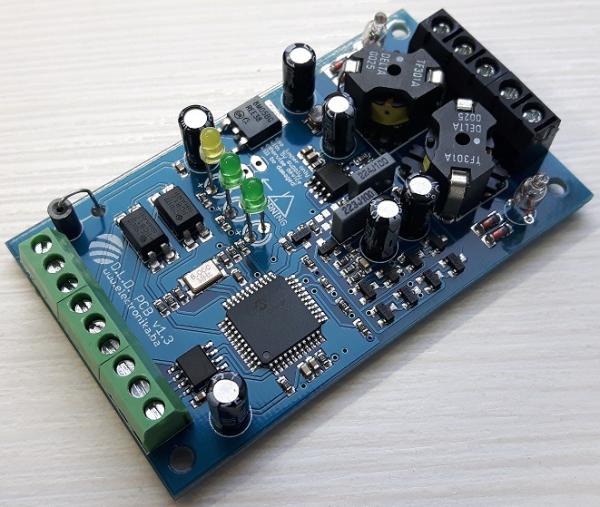
In next 10 years, the automotive industry will bring more change than we have seen in the last 50, due to technological advancement. One of the largest changes will be the move to autonomous vehicles, usually known as the self-driving car. Scientists from many universities are striving to implement vision processing with the artificial neural network to […]

ROLE OF VISION PROCESSING WITH ARTIFICIAL NEURAL NETWORKS IN AUTONOMOUS DRIVING Read More »
PICKIT 3 MINI

PICKIT 3 MINI

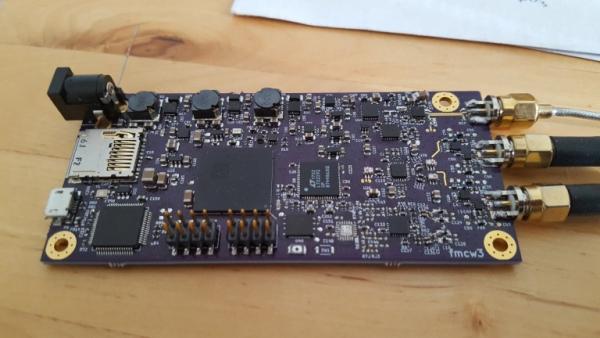
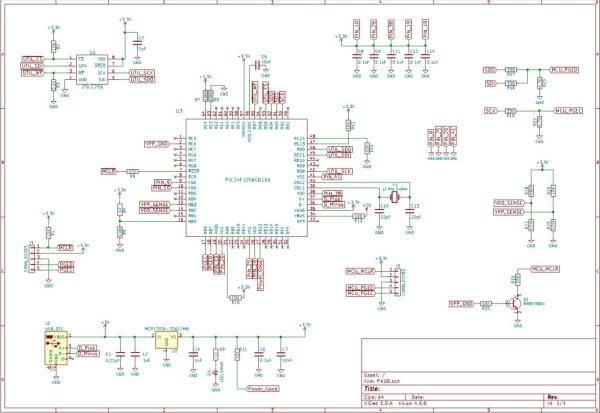
Previously, I made a Pickit 3 clone – (See previous Blog Post). It works well, but I have often wondered just how little of its circuitry was needed to program and debug the boards I make. For instance – I primarily use the newer 3.3V PIC32 processors, so I really don’t need the ability to

PICKIT 3 MINI Read More »

RESEARCHERS DEVELOP LONG RANGE BACKSCATTER SENSORS THAT CONSUME ALMOST NO POWER

RESEARCHERS DEVELOP LONG RANGE BACKSCATTER SENSORS THAT CONSUME ALMOST NO POWER

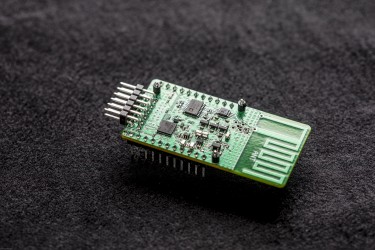
Researchers at the University of Washington developed a new backscatter sensors that can operate over long ranges with very little power. The researchers demonstrated for the first time that the device runs on almost zero power and can transmit data across distances of up to 2.8 kilometers. Backscatter communication works by emitting a radio signal and then monitoring the reflections

RESEARCHERS DEVELOP LONG RANGE BACKSCATTER SENSORS THAT CONSUME ALMOST NO POWER Read More »

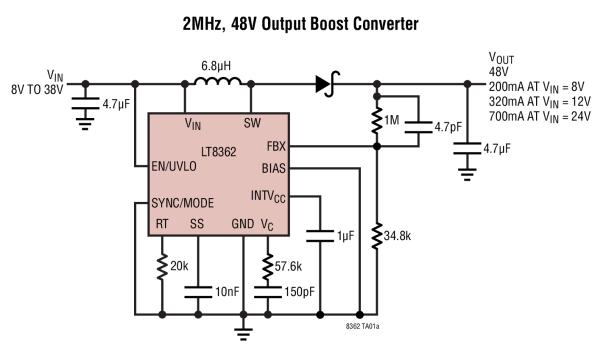
LT8362 LOW IQ BOOST OR SEPIC OR INVERTING CONVERTER WITH 2A 60V SWITCH

LT8362 – LOW IQ BOOST/SEPIC/INVERTING CONVERTER WITH 2A, 60V SWITCH

Features Wide Input Voltage Range: 2.8V to 60V Ultralow Quiescent Current and Low Ripple Burst Mode® Operation: IQ = 9µA 2A, 60V Power Switch Positive or Negative Output Voltage Programming with a Single Feedback Pin Programmable Frequency (300kHz to 2MHz) Synchronizable to an External Clock Spread Spectrum Frequency Modulation for Low EMI BIAS Pin for Higher Efficiency n

LT8362 – LOW IQ BOOST/SEPIC/INVERTING CONVERTER WITH 2A, 60V SWITCH Read More »

TERAHERTZ ELECTRONICS – WAY TO BRIDGE THE LARGELY UNTAPPED REGION BETWEEN 100GHZ AND 10THZ

TERAHERTZ ELECTRONICS – WAY TO BRIDGE THE LARGELY-UNTAPPED REGION BETWEEN 100GHZ AND 10THZ

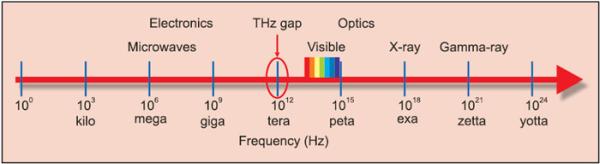
The terahertz (THz) region, which is based on 1THz frequency, separates electronics from photonics and has been difficult to access for ages. Semiconductor electronics cannot handle frequencies equal to or greater than 100GHz due to various transport-time related limitations. In other hand, photonics devices fail to work below 10THz as photon’s energy significantly drops to thermal energy. Terahertz

TERAHERTZ ELECTRONICS – WAY TO BRIDGE THE LARGELY-UNTAPPED REGION BETWEEN 100GHZ AND 10THZ Read More »

NEW ULTRATHIN SEMICONDUCTORS CAN MAKE MORE EFFICIENT AND TEN TIMES SMALLER TRANSISTORS THAN SILICON

NEW ULTRATHIN SEMICONDUCTORS CAN MAKE MORE EFFICIENT AND TEN TIMES SMALLER TRANSISTORS THAN SILICON

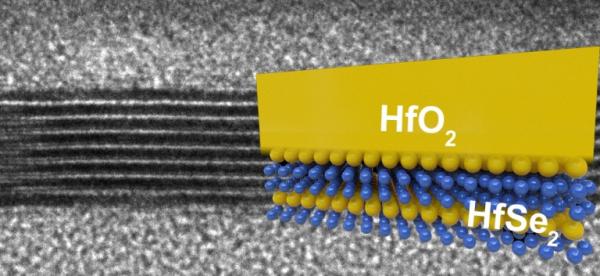
The researchers at Stanford University have discovered two ultrathin semiconductors – hafnium diselenide and zirconium diselenide. They share or even exceed some of the very important characteristics of silicon. Silicon has a great property of forming “rust” or silicon dioxide (SiO2) by reacting with oxygen. As the SiO2 acts as an insulator, chip manufacturers implement this property to isolate their circuits on

NEW ULTRATHIN SEMICONDUCTORS CAN MAKE MORE EFFICIENT AND TEN TIMES SMALLER TRANSISTORS THAN SILICON Read More »