News & Updates

4 GHz op amps achieve ultralow input bias current

4-GHz op amps achieve ultralow input bias current

Features Gain Bandwidth Product: 4GHz Low Input Bias Current: ±3fA Typ. Room Temperature 4pA Max at 125°C Current Noise (100kHz): 7fA/√Hz Voltage Noise (1MHz): 4.0nV/√Hz Extremely Low CIN 0.45pF Rail-to-Rail Output AV ≥10 Slew Rate: +1500V/μs, –1000V/μs Supply Range: 3.1V to 5.25V Quiescent Current: 16.5mA Operating Temp Range: –40°C to 125°C Single in 8-Lead SO-8, […]

4-GHz op amps achieve ultralow input bias current Read More »
Over Current Protection Switch

Over Current Protection Switch

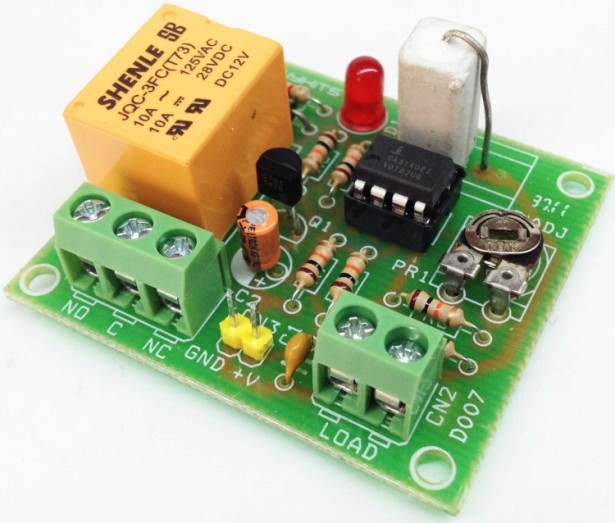
Current Sensing Switch is designed to operate a Relay Contact when there is a DC current through the sense resistor exceeds the set point, Set point adjustable from 1A to 3Amp using on board potentiometer. This circuit can offer over current protection to your project. Specifications Input: 12 VDC Range: 1 to 3 A selectable

Over Current Protection Switch Read More »

Altera’s Spectra Q accelerates design

Altera’s Spectra-Q accelerates design

Altera’s Spectra-Q software aims to accelerate design time for its Quartus II software for programmable devices. Spectra-Q has faster algorithms and allows for incremental design changes without needing to perform a full design compile It has a hierarchical database that enables users to preserve placement and routing information of IP blocks while making changes in other

Altera’s Spectra-Q accelerates design Read More »

How To Select a Capacitor

How To Select a Capacitor

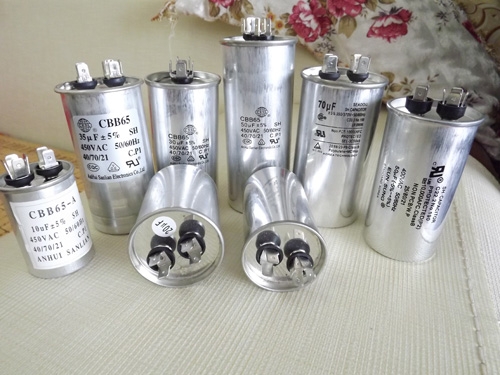
Capacitors    Capacitors are two-terminal components used for filtering, energy storage, voltage spike suppression, and many other applications. In their simplest form, they consist of two parallel plates separated by an insulating material called a dielectric. Capacitors store electrical charge. The unit of capacitance is Farad (F), attributed to Michael Faraday who was a pioneer

How To Select a Capacitor Read More »

Circuit lets you test capacitors

Circuit Simulator

How to use this When the simulator starts up you will see an animated schematic of a simple LRC circuit. The green colour indicates positive voltage. The grey colour indicates ground. A red colour indicates negative voltage. The moving yellow dots indicate current. To turn a switch on or off, just click on it. If

Circuit Simulator Read More »

ARM’s sub volt Cordio radio IP launched

ARM’s sub-volt Cordio radio IP launched

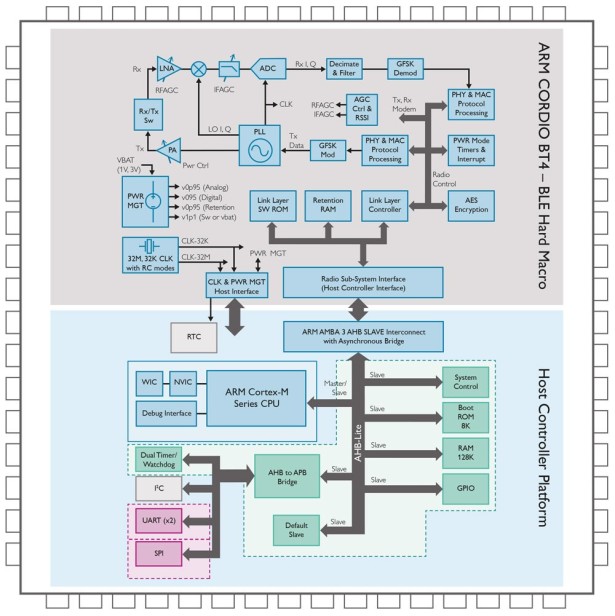
ARM’s acquisition of Wicentric and Sunrise Micro Devices has produced the Cordio family of standards-based, sub-volt, radio IP supporting Bluetooth Low Energy. Each Cordio product includes a pre-qualified, self-contained radio block, related link layer firmware, stack and profiles along with guidelines for design, test, integration, qualification, and application development.Cordio aims at ease of integration and delivery

ARM’s sub-volt Cordio radio IP launched Read More »

Electricity Grid Frequency Meter

Electricity [Grid] Frequency Meter

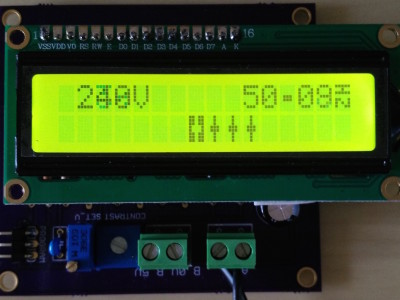
An article by Dieter Laues in the February 2012 issue of Elektor inspired me to get my soldering iron out. The article described how by measuring the frequency of the mains electricity supply in any socket, the relative load across the entire electricity network could be determined. I ordered a pre-programmed processor (of the correct

Electricity [Grid] Frequency Meter Read More »

Tektronix Introduces the P7700 Series Tri Mode Probes to Minimize Probe Loading Improve Access to Tight Test Locations Lower Costs

Tektronix P7700 Series Tri-Mode Probes for Reduced Loading and Better Access

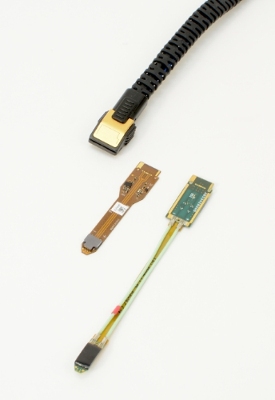
BEAVERTON, Ore., March 15, 2016 /PRNewswire/ — Tektronix, Inc., the world’s leading manufacturer of oscilloscopes, today introduced the P7700 series of TriMode™ probes for use with Tektronix performance oscilloscopes. Offering up to 20 GHz bandwidth, the new probes ease the challenges designers face when debugging circuits found in the latest mobile and enterprise designs by minimizing

Tektronix P7700 Series Tri-Mode Probes for Reduced Loading and Better Access Read More »