
Summary of Noncontact sensors monitor respiration and movement
Novelda's XeThru technology enables non-contact, medical-grade respiration monitoring using UWB microwave sensing. This wireless system detects body movement, presence, distance, and breathing patterns without requiring wearable sensors or charging. It functions through obstacles like duvets, supports multiple users in one room, and operates with low power from a nightstand or ceiling location.
Parts used in the Novelda Respiration Monitoring Project:
- XeThru sensor module
- UWB microwave sensing technology
- Nightstand placement unit
- Ceiling mounted unit
Novelda, with its XeThru technology based on UWB microwave sensing, offers medical grade monitoring of respiration that can be easily used in everyday lives and homes. With its wireless measurement principle, and non-contact capability, users are not bound by wearing on-body sensors or keeping them charged every day.
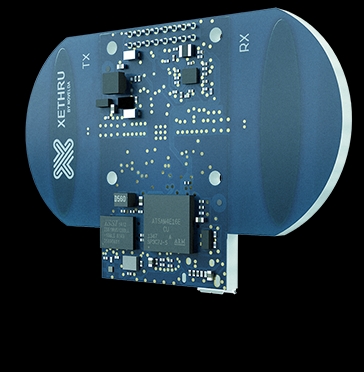 The respiration module will detect body movement, presence, distance, respiration frequency, and provide breathing pattern tracking – all with the same sensor. With an effective detection measurement range up to several meters, the sensor can be placed on your nightstand or in the ceiling above your bed.
It is able to see through obstacles such as duvets and clothes and is not sensitive to body orientation within the field of view. Multiple sensors can also operate in the same space allowing people to use their individual sensor simultaneously and in the same room as others. Our respiration module is fully self-contained, uses low power and is easy to integrate and configure.
For more detail: Noncontact sensors monitor respiration and movement
- How does the system detect respiration?
The system uses XeThru technology based on UWB microwave sensing to detect respiration frequency and breathing patterns. - Can the sensor see through obstacles?
Yes, the sensor is able to see through obstacles such as duvets and clothes. - Is it necessary to wear on-body sensors?
No, users are not bound by wearing on-body sensors because of its wireless measurement principle and non-contact capability. - What detection range does the sensor support?
The sensor has an effective detection measurement range up to several meters. - Can multiple sensors operate in the same space?
Yes, multiple sensors can operate in the same space allowing people to use their individual sensor simultaneously. - Does the system require daily charging?
No, users do not need to keep sensors charged every day due to the low power usage and wireless design. - Where can the sensor be placed?
The sensor can be placed on your nightstand or in the ceiling above your bed. - Is the sensor sensitive to body orientation?
No, the sensor is not sensitive to body orientation within the field of view.