News & Updates

Proteus Tutorial – Light Emitting Diode LED and Bar Graph Display

Proteus Tutorial – Light Emitting Diode (LED) and Bar Graph Display

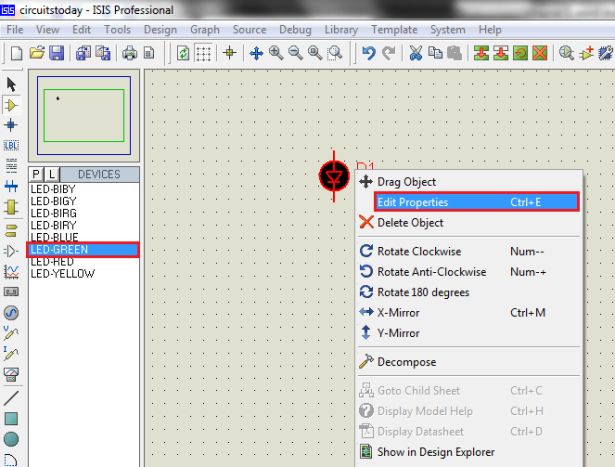
How to work with Light Emitting Diode (LED) in Proteus In this post we will be learning on how to use the “Light Emitting Diode (LED)” component in Proteus simulation software. In case you have not got on through the basics of Proteus, here is the link – Proteus PCB Design and Simulation Software – Introduction. Note:- You may […]

Proteus Tutorial – Light Emitting Diode (LED) and Bar Graph Display Read More »

Surface mount 555 PWM circuit

Surface-mount 555 PWM circuit

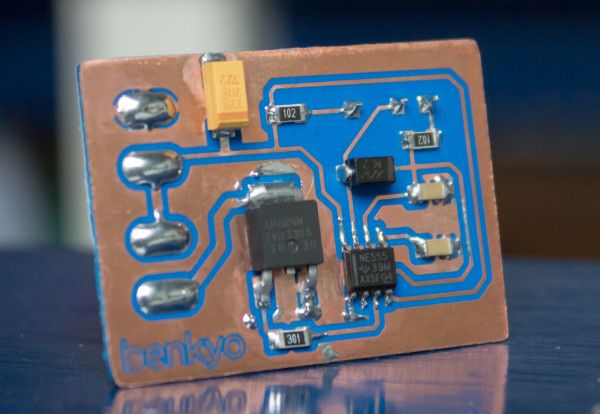
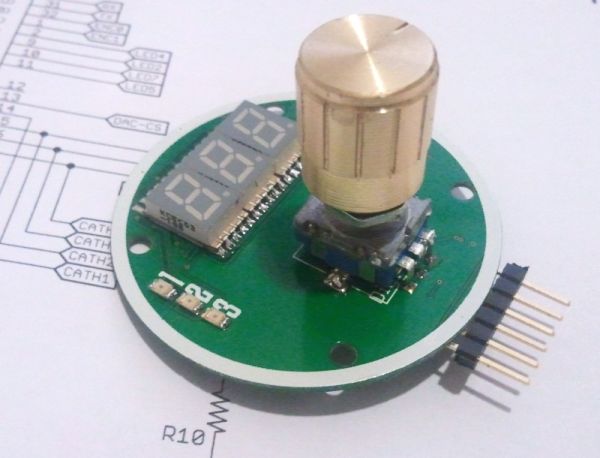
Introduction I wanted to dim my room LED lighting with a potentiometer, and decided on creating a solution from scratch to make it more fun and educative. I decided to go with the fairly well-known 555 PWM circuit. To decrease size and for learning purposes I decided on using surface-mount components for the first time.

Surface-mount 555 PWM circuit Read More »

Fluke 15B WiFi Introduction

Fluke 15B+ WiFi – Introduction

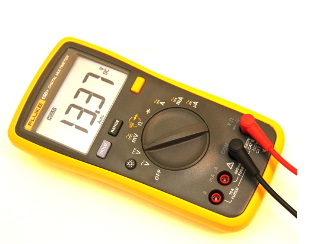
Introduction One of the bad things about electricity is that it is mostly invisible: unless the voltages or currents are very high, it mostly flows invisibly through wires, it’s existence only implied by a lighted up LED, a beeping speaker, an LCD that indicates something or another secondary effect. Normally, this is what we want:

Fluke 15B+ WiFi – Introduction Read More »

Basics of the I2C Communication Protocol

Basics of the I2C Communication Protocol

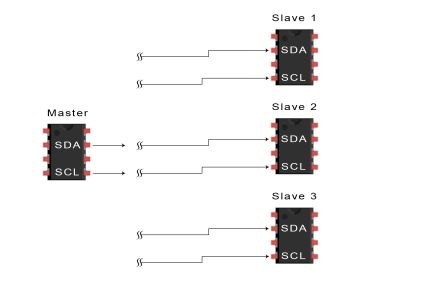
So far, we’ve talked about the basics of SPI communication and UART communication, so now let’s go into the final protocol of this series, the Inter-Integrated Circuit, or I2C. You’ll probably find yourself using I2C if you ever build projects that use OLED displays, barometric pressure sensors, or gyroscope/accelerometer modules. I2C combines the best features of SPI and UARTs. With

Basics of the I2C Communication Protocol Read More »