
Summary of Traffic Light Controller using pic microcontoller
The article outlines microcontroller history from the 1971 Intel 4004 through the 1975 Intel 8048 (first control-optimized SoC), memory evolution (EPROM, EEPROM, Flash), price declines, hobbyist adoption, and a potential future move to MRAM. It notes key milestones: 1993 EEPROM introduction (Microchip PIC16x84) and Atmel's Flash microcontroller, and mentions wide use and low costs by 2009.
Parts used in the Traffic Light Controller:
- Microcontroller (general purpose 8-bit or 32-bit MCU)
- On-chip ROM or Flash memory
- On-chip RAM
- Programmable memory type: EPROM or EEPROM
- LEDs for traffic lights
- Resistors for LED current limiting
- Power supply (regulated)
- Optional programming interface for In System Programming
- PCB to mount components
- Connectors and wiring
1.a History:
The first single-chip microprocessor was the 4-bit Intel 4004 released in 1971. With the Intel 8008 and more capable microprocessors available over the next several years. These however all required external chip(s) to implement a working system, raising total system cost, and making it impossible to economically computerize appliances.
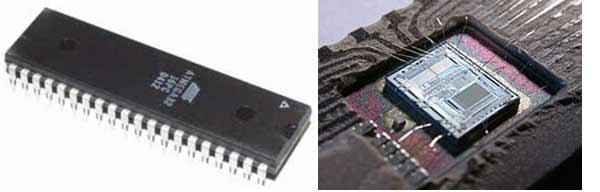
The first computer system on a chip optimized for control applications was the Intel 8048, released in 1975, with both RAM and ROM on the same chip. This chip would find its way into over one billion PC keyboards, and other numerous applications. At this time Intels President, Luke J. Valenter, stated that the (Microcontroller) was one of the most successful in the companies history, and expanded the division’s budget over 25%.
Most microcontrollers at this time had two variants. One had an erasable EPROM program memory, which was significantly more expensive than the PROM variant which was only programmable once. In 1993, the introduction of EEPROM memory allowed microcontrollers (beginning with the Microchip PIC16x84) to be electrically erased quickly without an expensive package as required for EPROM, allowing both rapid prototyping, and In System Programming.
The same year, Atmel introduced the first microcontroller using Flash memory.
Other companies rapidly followed suit, with both memory types.
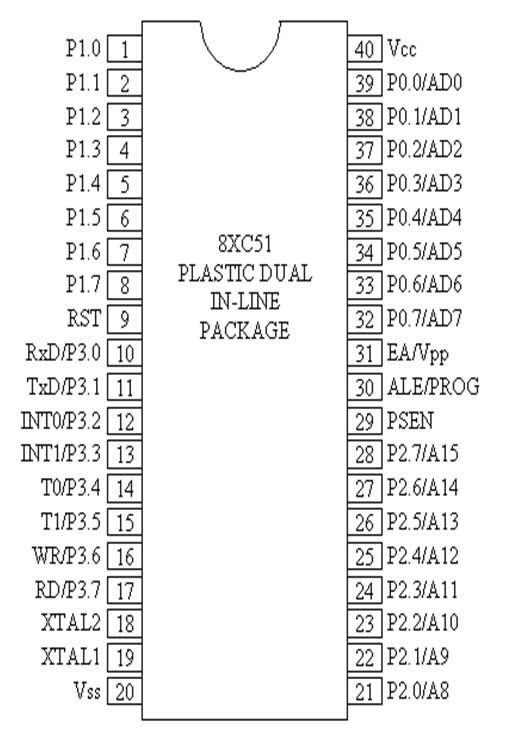 Cost has plummeted over time, with the cheapest 8-bit microcontrollers being available for under $0.25 in quantity (thousands) in 2009,[citation needed] and some 32-bit microcontrollers around $1 for similar quantities.
Nowadays microcontrollers are low cost and readily available for hobbyists, with large online communities around certain processors.
In the future, MRAM could potentially be used in microcontrollers as it has infinite endurance and its incremental semiconductor wafer process cost is relatively low.
For more detail: Traffic Light Controller
- What was the first single-chip microprocessor?
The Intel 4004 released in 1971 was the first single-chip microprocessor. - Which microcontroller was the first optimized for control applications?
The Intel 8048 released in 1975 was the first computer system on a chip optimized for control applications. - What memory types did early microcontrollers use?
Early microcontrollers used PROM and erasable EPROM program memory variants. - When did EEPROM allow electrical erasing for rapid prototyping?
EEPROM introduction in 1993 allowed microcontrollers to be electrically erased quickly for rapid prototyping. - Which microcontroller first used Flash memory?
Atmel introduced the first microcontroller using Flash memory in 1993. - How did microcontroller costs change by 2009?
By 2009, the cheapest 8-bit microcontrollers were available for under $0.25 in quantity and some 32-bit microcontrollers around $1 for similar quantities. - Why did the Intel 8048 matter commercially?
The Intel 8048 included RAM and ROM on the same chip, lowering system cost and enabling use in products like over one billion PC keyboards. - Can microcontrollers be programmed in system?
Yes; EEPROM and Flash allowed In System Programming for rapid development, as noted after 1993.
