Summary of TI RELEASE TPS62912, TPS62913 FAMILY OF LOW-NOISE DC/DC SWITCHING REGULATORS
Texas Instruments introduced the TPS62912 and TPS62913, low-noise DC/DC switching regulators featuring integrated ferrite-bead compensation. These devices achieve ultra-low noise of 20 µVRMS and ripple of 10 µVRMS while offering a 65 dB power-supply rejection ratio. They support spread-spectrum frequency modulation to reduce radio-frequency spurs and allow synchronization with external clocks for precise signal-to-noise performance.
Parts used in the TPS62912 and TPS62913 Project:
- TPS62912
- TPS62913
- Ferrite bead
- External clock
Texas Instruments released the TPS62912 and TPS62913 family of low-noise DC/DC switching regulators with integrated ferrite-bead compensation. They offer low noise of 20 µVRMS for frequencies ranging from 100 Hz to 100 kHz and ultra-low output-voltage ripple of 10 µVRMS.
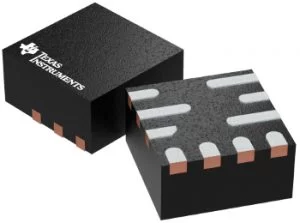
Traditional low-noise power supply architectures include such technology like DC/DC converters, low-noise LDO, and an off-chip filter, like a ferrite bead. Integrating ferrite-bead compensation allows the TPS62912 and TPS62913 to use the already present ferrite bead as a filter against high-frequency noise and reduce power supply output voltage ripple by upwards of 30 dB.
Further, both converters offer a power-supply rejection ratio of 65 dB at up to 100 kHz. They also enable spread-spectrum frequency modulation to advance attenuate radio-frequency spurs. In addition to this, the TPS62912 and TPS62913 allow synchronization to an external clock, providing the ability to meet signal-to-noise ratios and spurious-free dynamic range targets.
Read more: TI RELEASE TPS62912, TPS62913 FAMILY OF LOW-NOISE DC/DC SWITCHING REGULATORS
- What is the noise level of the TPS62912 and TPS62913?
They offer low noise of 20 µVRMS for frequencies ranging from 100 Hz to 100 kHz. - How much output-voltage ripple do these regulators provide?
They provide an ultra-low output-voltage ripple of 10 µVRMS. - Can the TPS62912 and TPS62913 use an existing ferrite bead?
Yes, they integrate ferrite-bead compensation to use the already present ferrite bead as a filter. - Does the device support synchronization with an external clock?
Yes, the converters allow synchronization to an external clock. - How does the device handle radio-frequency spurs?
It enables spread-spectrum frequency modulation to advance attenuate radio-frequency spurs. - What is the power-supply rejection ratio at 100 kHz?
Both converters offer a power-supply rejection ratio of 65 dB at up to 100 kHz. - By how much can the output voltage ripple be reduced?
The integration reduces power supply output voltage ripple by upwards of 30 dB.