
Summary of Rev 4.2.2 schematic and PCB
This article shares the finalized schematic and PCB layout for a GPS-steered parachute system designed for rocket recovery. The author highlights improvements over previous versions, including a more efficient DC-DC step-down converter and a reed-switch power management system. The design is based on the PIC32 microcontroller and is released under an open license allowing free modification and use, provided the original site is credited as a courtesy.
Parts used in the GPS-steered Parachute Project:
- PIC32 microcontroller
- GPS module
- DC-DC step-down converter
- Battery (2 cells in series)
- Reed-switch driven power on/off system
- Pressure sensor
- ADC (Analog-to-Digital Converter)
- Eagle PCB files
A long while back I posted a version of the schematic for the electronics for my project to build a GPS-steered parachute for rocket recovery.
Since then I’ve tweaked the board a bit, to the point where the hardware design is clean and bug-free (as far as I know).
So here is the current version of the board schematic and layout, including the original Eagle PCB files as well as a PDF version of the schematic. It runs nice and stably, and could be the basis for a lot of other PIC32-based projects.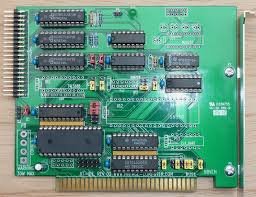
Click here to download it (zip file).
Compared to earlier versions, this one uses a DC-DC step-down for much more efficient use of the battery, and includes the reed-switch driven power on/off system I described earlier.
You are welcome to do with this as you like (modify, republish, whatever). To make it official:
Hardware rights: I hereby grant everyone and everything in the universe permission to use and modify this hardware design for any purpose whatsoever. In exchange, you agree not to sue me about it. I make no promises. By using the design you agree that if you’re unhappy the most I owe you is what you paid me (zip, zero, nothing, nada). That seems fair.
I do ask that you credit this site (http://nerdfever.com) and post as the source, just as a courtesy; but you don’t have to.
Eventually (maybe this winter), I hope to do a new spin that will run off a single LiIon cell (instead of 2 in series, as now), and that will provide a cleaner power supply to the pressure sensor and ADC; noise on the power supply is the main source of noise in the pressure sensor readings (as far as I can tell so far). But this version works quite well as it is.
For more detail: Rev 4.2.2 schematic and PCB
- What hardware improvements were made in this version?
The board now uses a DC-DC step-down for better battery efficiency and includes a reed-switch driven power on/off system. - Can I modify or republish the hardware design?
Yes, the author grants permission to use and modify the design for any purpose without suing them. - Does the project require specific credit when used?
Credit is requested as a courtesy by posting the source at nerdfever.com, but it is not mandatory. - What is the main source of noise in the pressure sensor readings?
Noise on the power supply is identified as the main source of noise affecting the pressure sensor readings. - How many battery cells does the current version use?
The current version runs off 2 battery cells connected in series. - What future changes are planned for the power supply?
A future spin may run off a single LiIon cell to provide a cleaner power supply to the pressure sensor and ADC. - Is the hardware design considered bug-free?
The author states the hardware design is clean and bug-free as far as they know. - What file formats are available for download?
Original Eagle PCB files and a PDF version of the schematic are available in a zip file.
