
Summary of GSS ADDS I2C INTERFACE TO ITS LOW POWER CO2 SENSOR
The article discusses Gas Sensing Solutions' (GSS) low-power, wireless CO2 monitoring system for IoT applications like smart homes and offices. By utilizing LED-based technology, the CozIR®-LP sensor eliminates the need for mains power cabling, offering a battery life exceeding ten years and a device lifetime of over 15 years. The addition of an I2C interface simplifies integration into designs while maintaining energy efficiency with only 3mW power consumption.
Parts used in the Wireless CO2 Monitoring System:
- CozIR®-LP sensor
- I2C interface
- Battery
- LED-based sensor technology
- Wireless monitor
The Internet of Things (IoT) is creating many new exciting application opportunities to create smart environments where sensors monitor for changes so that the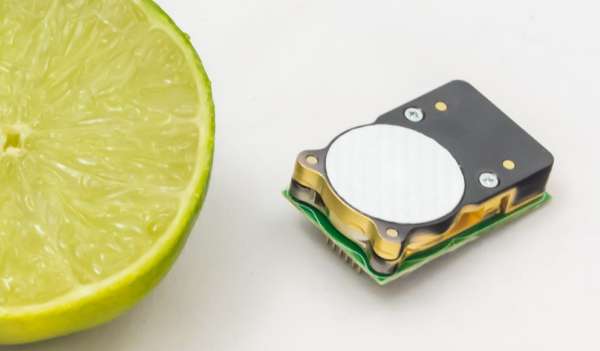 appropriate actions can be taken. The fastest growing examples of this are HVAC (Heating Ventilation and Air Conditioning), IAQ (Indoor Air Quality), smart homes and smart offices where a network of sensors monitors temperature and carbon dioxide (CO2) levels to ensure the optimal conditionals are maintained with the minimum of energy expenditure. A challenge for such systems in that the CO2 sensors need mains power to operate incurring costs for cabling and, in the case of installing in existing buildings, redecoration.
Gas Sensing Solutions (GSS) has solved this problem with its low power, LED-based sensor technology. The sensor’s power requirements are so low that wireless monitors can be built that measure CO2 levels as well as temperature and humidity with a battery life of over ten years. Being wireless means that they can be placed wherever they are required with no need for cabling or disruption and simply relocated as building usages changes
To make the design of these monitors even easier, GSS has added an I2C interface to its very low power CO2 sensor, the CozIR®-LP. Having the widely used I2C interface now makes the integration of the sensor into a design very easy. The CozIR®-LP is the lowest power CO2 sensor available requiring only 3mW that is up to 50 times lower than typical NDIR CO2 sensors. The GSS patented LED technology also means that the solid state sensor is very robust. This keeps maintenance costs to a minimum as the expected lifetime is greater than 15 years making them the perfect choice for fit and forget applications that measure low (ambient) levels of CO2 from 0-1%.
Read more: GSS ADDS I2C INTERFACE TO ITS LOW POWER CO2 SENSOR
-
What is the primary challenge for existing building CO2 sensor systems?
The sensors typically require mains power, which incurs costs for cabling and redecoration during installation. -
How long is the battery life of the wireless monitors described?
The wireless monitors have a battery life of over ten years. -
Does the CozIR®-LP sensor require mains power?
No, it is a low power sensor that allows for wireless operation without mains power. -
What interface was added to make the design of these monitors easier?
An I2C interface was added to the CozIR®-LP sensor to simplify integration. -
How much power does the CozIR®-LP sensor require compared to typical NDIR sensors?
It requires only 3mW, which is up to 50 times lower than typical NDIR CO2 sensors. -
What is the expected lifetime of the GSS solid state sensor?
The expected lifetime is greater than 15 years. -
Can these sensors be relocated if building usage changes?
Yes, being wireless means they can be simply relocated as needed. -
What range of CO2 levels do these sensors measure?
They measure low ambient levels of CO2 from 0 to 1%.
