Summary of ESPRESSIF ANNOUNCES THE RELEASE OF ESP32-S2 SECURE WI-FI MCU
Espressif released the ESP32-S2, a low-power 2.4 GHz Wi-Fi SoC featuring an Xtensa LX7 processor clocked at 240 MHz. It offers 43 GPIOs, advanced security, and integrated peripherals like USB OTG, camera interfaces, and capacitive touch sensing. Designed for IoT applications such as smart homes and wearables, it leverages the ESP-IDF framework to balance performance and cost without needing external MCUs.
Parts used in the ESP32-S2:
- Xtensa single-core 32-bit LX7 microcontroller
- Ultra-low-power co-processor
- 320 kB SRAM
- 128 kB ROM
- 16 KB RTC memory
- External SPIRAM support
- External flash support
- Separate instruction and data cache
- Wi-Fi 802.11 b/g/n module
- 43 programmable GPIOs
- 14 capacitive touch sensing IOs
- SPI, I2C, I2S, UART, ADC/DAC, and PWM peripherals
- LCD interface
- Camera interface
- Full speed USB OTG support
Espressif announces the release of the ESP32-S2 Secure Wi-Fi MCU, which is a highly integrated, low-power, 2.4 GHz Wi-Fi Microcontroller SoC supporting Wi-Fi HT40 and 43 GPIOs. Based on Xtensa® single-core 32-bit LX7 processor, ESP32-S2 can be clocked at up to 240 MHz.
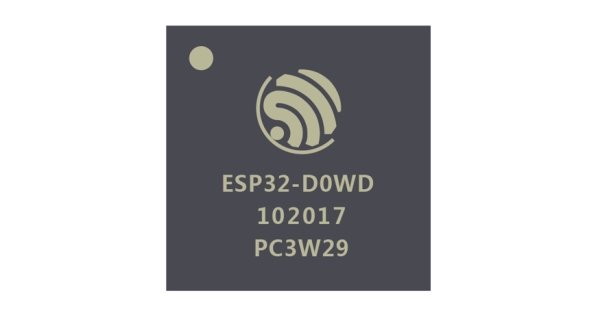
ESP32-S2 is a highly integrated, low-power, 2.4 GHz Wi-Fi Microcontroller SoC supporting Wi-Fi HT40 and 43 GPIOs. Based on Xtensa® single-core 32-bit LX7 processor, it can be clocked at up to 240 MHz.
With state-of-the-art power management and RF performance, IO capabilities and security features, ESP32-S2 is an ideal choice for a wide variety of IoT or connectivity-based applications, including smart home and wearables. With an integrated 240 MHz Xtensa® core, ESP32-S2 is sufficient for building the most demanding connected devices without requiring external MCUs.
By leveraging Espressif’s mature and production-ready software development framework (ESP-IDF), ESP32-S2 achieves a balance of performance and cost, thus bringing faster and more secure IoT connectivity solutions to the market.
Features
CPU And Memory
- Xtensa® single-core 32-bit LX7 microcontroller
- 7-stage pipeline
- Clock frequency of up to 240 MHz
- Ultra-low-power co-processor
- 320 kB SRAM, 128 kB ROM, 16 KB RTC memory
- External SPIRAM (128 MB total) support
- Up to 1 GB of external flash support
- Separate instruction and data cache
Connectivity
- Wi-Fi 802.11 b/g/n
- 1×1 transmit and receive
- HT40 support with data rate up to 150 Mbps
- Support for TCP/IP networking, ESP-MESH networking, TLS 1.0, 1.1 and 1.2 and other networking protocols over Wi-Fi
- Support Time-of-Flight (TOF) measurements with normal Wi-Fi packets
IO Peripherals
- 43 programmable GPIOs
- 14 capacitive touch sensing IOs
- Standard peripherals including SPI, I2C, I2S, UART, ADC/DAC and PWM
- LCD (8-bit parallel RGB/8080/6800) interface and also support for 16/24-bit parallel
- Camera interface supports 8 or 16-bit DVP image sensor, with clock frequency of up to 40 MHz
- Full speed USB OTG support
Read more: ESPRESSIF ANNOUNCES THE RELEASE OF ESP32-S2 SECURE WI-FI MCU
- What is the maximum clock frequency of the ESP32-S2?
The ESP32-S2 can be clocked at up to 240 MHz. - Does the ESP32-S2 support external memory expansion?
Yes, it supports up to 1 GB of external flash and 128 MB total of external SPIRAM. - Can the ESP32-S2 handle camera interfaces?
Yes, the camera interface supports 8 or 16-bit DVP image sensors with a clock frequency up to 40 MHz. - How many GPIOs are available on the ESP32-S2?
The device features 43 programmable GPIOs. - What software development framework does the ESP32-S2 use?
It leverages Espressif’s mature and production-ready software development framework known as ESP-IDF. - Is the ESP32-S2 suitable for wearable devices?
Yes, it is an ideal choice for connectivity-based applications including smart home and wearables. - Does the ESP32-S2 include capacitive touch sensing capabilities?
Yes, it includes 14 capacitive touch sensing IOs. - What is the maximum data rate supported by the Wi-Fi HT40 feature?
The HT40 support allows for data rates up to 150 Mbps.