
Summary of DIGITAL PLL CONTROLLED FM RADIO CIRCUIT TEA5767 RECEIVER PIC16F628
This project describes a Digital and PLL-controlled FM Radio Receiver System using the TEA5767 FM radio module and a PIC16F628 microcontroller. It features SPI communication, keypad frequency entry, automatic/manual station recording, station scanning, and selective tuning to prioritize strong stations. Proteus ISIS simulation and PicBasic Pro source files are provided.
Parts used in the Digital and PLL controlled FM Radio Receiver System:
- TEA5767 FM radio module
- PIC16F628 microcontroller
- Keypad (for frequency entry and presets)
- Buttons (for scan, preset record, and tuning)
- Display (to show frequency/station info)
- Power supply (suitable for module and microcontroller)
- Interfacing wiring and connectors
- Proteus ISIS simulation files (project files)
- PicBasic Pro source code files
Yes, let’s recent project, a “Digital and PLL controlled FM Radio Receiver System” will give. Some of them may sound like a simple project. But a very open system development project. Currently on the... Electronics Projects, Digital PLL controlled FM Radio Circuit TEA5767 Receiver PIC16F628 “microchip projects, microcontroller projects, pic16f628 projects, picbasic pro examples, “
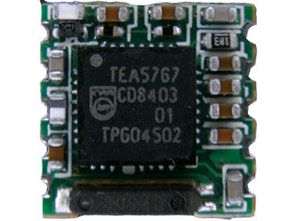
Yes, let’s recent project, a “Digital and PLL controlled FM Radio Receiver System” will give. Some of them may sound like a simple project. But a very open system development project. Currently on the market that has all the features of most modern radio despite the limited resources, why did the simplistic with this project. This is a fully digital PLL controlled FM radio project.
DIGITAL PLL CONTROLLED FM RADIO PROTEUS ISIS CIRCUIT
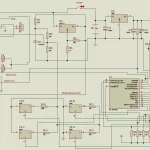
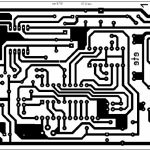
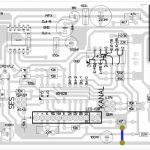
The system that has produced radio receivers TEA5767 integrated solid Phillips company is based on . Said integrated into a module using a minimum of materials and in this system , and these modules are used . In both I2C and SPI comes integrated mode of communication is being able to use I ‘ve SPI mode . The highest quality in the market for digital radio has what property contains all the while .
I have given both the lack of space in the project and why I chose the processor I use the limited facilities . The system automatically scan only fro my project . Skip long end of the tape is pressed .
With this module it is possible to make the following operations ;
1 a frequency value that is entered from the keypad to ring
2 automatic or manual recording to get the stations found . If you have a 1-10 button and this button for more than 5 seconds on any of the recording can be done automatically if you press station . By pressing this button then that station’s short rung can be achieved.
3 toward one side to the other side of weaker stations only to find strong stations can be achieved.
Source: DIGITAL PLL CONTROLLED FM RADIO CIRCUIT Digital PLL controlled FM Radio Receiver TEA5767 isis proteus simulation project files and source code files PicBasic Pro: digital-pll-controlled-fm-radio-circuit-tea5767-receiver-pic16f628.ZIP
- What is the main radio IC used in the project?
The TEA5767 FM radio module is used as the main radio IC. - Which microcontroller is used to control the system?
The PIC16F628 microcontroller is used in this project. - How does the system communicate with the TEA5767?
The module supports I2C and SPI; the project uses SPI mode. - Can frequencies be entered manually?
Yes, frequency values can be entered from the keypad. - Does the project support automatic station recording?
Yes, it supports automatic or manual recording of found stations to preset buttons. - How do preset recordings work?
Pressing a preset button for more than 5 seconds records the current station to that button for later short press recall. - Is there an automatic scan feature?
Yes, the system can automatically scan for stations, and the project includes an automatic scan function. - Can the tuner prioritize strong stations?
Yes, the system can skip weaker stations and find stronger stations when scanning. - Are simulation and source code files available?
Yes, Proteus ISIS simulation files and PicBasic Pro source code are provided in the project ZIP.
