
Summary of Learn to Code for Free: Why You Can and You Should Start Today
This article outlines how to learn web development for free by establishing motivation, creating a structured learning plan, and selecting resources based on individual learning styles. It highlights static tutorials like Khan Academy and Mozilla Developer Network for self-paced study, and interactive platforms like Codecademy and FreeCodeCamp for hands-on practice. The text emphasizes building a portfolio of original projects rather than just completing tutorials to demonstrate true coding proficiency to employers.
Parts used in the Learn to Code Project:
- Motivation and mindset
- Learning plan with specific goals
- New laptop for practice
- Khan Academy Hour of Code resource
- Mozilla Developer Network
- CSS Tricks guides
- Codecademy platform
- FreeCodeCamp community and tutorials
- CodePen environment
- Portfolio of original code projects
- Twitter developer community support
- Accountability buddies
- Sample code library
Free Coding Resources Can Support Career Development
Learning to code does not always require paying for an expensive course. Free tutorials, documentation, interactive platforms, and practice environments can provide enough material for beginners to develop foundational programming skills. The main challenge is often not finding information, but following a structured path and practicing consistently enough to turn lessons into practical ability.
Motivation Helps Maintain Consistent Coding Practice
A clear reason for learning can make it easier to continue when coding becomes difficult or progress feels slow. Someone learning for a new career, freelance work, website development, or a personal project may benefit from connecting daily practice to that specific goal. This gives each lesson a purpose instead of treating programming as an open-ended subject with no clear finish point.
Create a Focused Coding Learning Plan
“Learning to code” is too broad to function as a practical goal on its own. A stronger plan identifies the language or technology to study, the type of project it will be used for, and a realistic milestone to work toward. For example, someone interested in WordPress development might focus on PHP alongside HTML, CSS, JavaScript, and WordPress-specific development concepts rath
Choose Learning Methods That Match Your Style
Different learners absorb programming concepts in different ways. Step-by-step tutorials can help beginners understand how individual pieces fit together, while documentation and written guides may work better for people who prefer reading before experimenting. Interactive exercises add another useful element because they let learners write code immediately and see whether their solution produces the expected result.
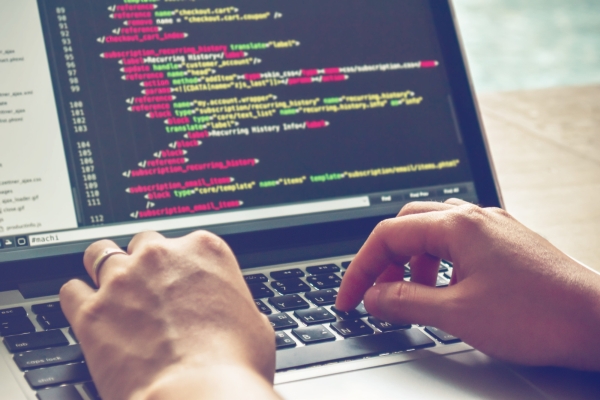
Great! Now you have a specific goal to aim for.
Debugging Is Part of Learning Programming
Writing code that works is only one part of programming. Developers also need to identify why code fails, isolate the source of a problem, and test possible fixes. Practicing debugging early can build a more useful skill set than simply copying tutorial examples because real development work regularly involves unexpected errors, incorrect assumptions, and code that needs adjustment.
Static Tutorials Build Foundational Coding Knowledge
Self-paced documentation and tutorial libraries can be useful when learners want to study concepts before applying them. Beginner-oriented lessons can introduce programming logic and basic syntax, while resources such as developer documentation can provide deeper explanations of technologies including HTML, CSS, JavaScript, and other web-development tools. These resources are particularly useful when learners want to revisit a specific topic instead of completing an entire course.
Interactive Platforms Encourage Learning Through Practice
Interactive coding environments allow learners to write, test, and modify code while working through lessons. Immediate feedback can make abstract programming concepts easier to understand because learners can see how changing a statement, property, or function affects the result. Platforms that provide browser-based editors also reduce setup requirements, allowing beginners to experiment without first configuring a complete local development environment.
Practice Projects Turn Lessons Into Real Skills
Tutorials explain how individual coding techniques work, but independent projects test whether learners can combine those techniques without detailed instructions. Building a website, application, interface, or small interactive tool requires decisions about structure, functionality, troubleshooting, and implementation. These projects can reveal knowledge gaps that may not become obvious while simply following a guided lesson.
A Portfolio Demonstrates Practical Coding Ability
People learning code for employment or freelance opportunities can benefit from keeping examples of completed work. A portfolio can demonstrate how someone applies programming concepts rather than simply showing that they completed online courses. Projects do not need to be large; a small, well-finished application or website that solves a clear problem can provide useful evidence of practical development skills.
Consistency Matters More Than Expensive Courses
Free resources can provide substantial learning opportunities, but progress still depends on regular practice and clear objectives. Choosing a focused learning path, experimenting with code, debugging mistakes, and completing independent projects can gradually build both technical knowledge and confidence. Community discussions and peer support may also help learners stay accountable and find explanations when they encounter problems they cannot solve alone.
-
Why should I start learning to code?
Web designers and developers are valuable in the workplace, with entry-level developers earning an average of $54,379 a year. -
Can I learn to code without paying for a course?
Yes, you can learn to code for free using various websites and tutorials that offer free resources. -
How do I stay motivated while learning for free?
You should work out why you want to learn, use that as daily motivation, and consider buying a new laptop to practice. -
What is the best way to create a learning plan?
Decide on a specific language, end goal, and short-term target, such as building a child theme within six months. -
Which resources are best for absorbing information before practicing?
Static resources like the Hour of Code at Khan Academy, the Mozilla Developer Network, and CSS Tricks guides are ideal. -
How do interactive learning resources help me?
Sites like Codecademy and FreeCodeCamp provide feedback as you go, allowing you to test code and measure progress. -
Why is it important to build my own projects instead of just following tutorials?
Employers prefer seeing working examples of your own code because it proves you understand how to make code work for you. -
Where can I find support if I lose interest?
You can find gentle support among the developer community on Twitter and enlist accountability buddies to keep you on track.
