
Summary of PIC16F877 VERY FAST LINE FOLLOWING ROBOT PROJECTS ORANGUTAN B-328
This article describes two very fast line-following robot designs: one using a Baby Orangutan B-328 control module (TB752A1 motor driver and ATmega48/ATmega328 MCU, SMD parts, powered by a single 3.7 V Li‑poly battery with a separate DC‑DC converter/charger), and another built around a PIC16F877 MCU with a 12‑sensor CNY70 sensor card. Both projects include PCB layouts, C source code, mechanical drawings, and galleries of finished robots (~108 g for the Orangutan build).
Parts used in theLine Following Robot Projects:
- Baby Orangutan B-328 control module
- TB752A1 motor driver
- ATmega48 or ATmega328 microcontroller
- All SMD electronic components
- 1 pcs 3.7 V lithium polymer battery
- Battery charger module
- Separate DC-DC converter module
- PIC16F877 microcontroller (for second model)
- 12 x CNY70 reflective sensors (sensor card)
- Printed circuit boards (PCBs) for both designs
- Mechanical parts for robot body (casing and chassis)
- C source code and related project files
Line following robot design in two different models, one that’s “Baby Orangutan B-328 Robot” control module based on this on the module tb752a1 motor drive and ATMEGA48 or ATmega328 microcontroller’s All materials SMD because… Electronics Projects, PIC16F877 Very Fast Line Following Robot Projects Orangutan B-328 “microchip projects, microcontroller projects, pic16f877 projects, “
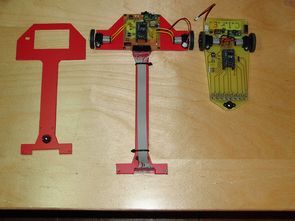
Line following robot design in two different models, one that’s “Baby Orangutan B-328 Robot” control module based on this on the module tb752a1 motor drive and ATMEGA48 or ATmega328 microcontroller’s All materials SMD because it is quite small and lightweight happening robot’s supply 1 pcs 3.7v lithium to raise the voltage of the battery polymer battery and charger provided with a separate converter module used in dcdc
Baby Orangutan B-328 module and the C source code of the printed circuit robotomy line following robot body, and drawing information there. Roboto’s finished state which pretends only 108 grams and is moving very fast.
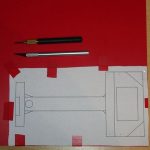
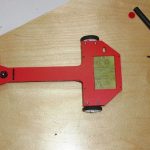
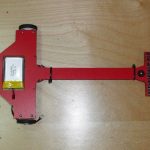
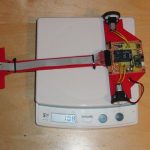
The other is the pic16f877 in design, 12 PCs cny70 sensors used sensor card, check card schema, pcb and the C source code there are other very fast light not by design
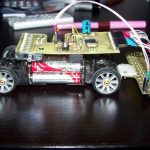
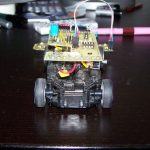
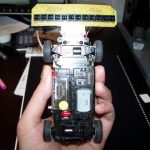
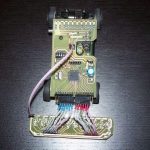
Source: PIC16F877 VERY FAST LINE FOLLOWING ROBOT PROJECTS all files alternative link: pic16f877-very-fast-line-following-robot-projects-orangutan-b-328.rar
- What control module is used in the first robot model?
The Baby Orangutan B-328 control module is used in the first model. - Which motor driver does the Orangutan-based module use?
The TB752A1 motor driver is used with the Orangutan-based module. - Which microcontrollers are used in the Orangutan model?
ATmega48 or ATmega328 microcontrollers are used in the Orangutan model. - What battery is specified for the Orangutan robot?
A single 3.7 V lithium polymer battery is specified for the Orangutan robot. - Does the project include source code?
Yes, the projects include C source code for the robots. - How many CNY70 sensors are used in the PIC16F877 design?
The PIC16F877 design uses 12 CNY70 sensors on a sensor card. - Are the electronic components surface mount?
Yes, all electronic materials are SMD (surface mount devices). - What additional files are provided with the projects?
The projects provide PCB layouts, check card schema, mechanical drawings, galleries, and project archives. - How heavy is the finished Orangutan robot?
The finished Orangutan robot reportedly weighs about 108 grams.
