
Summary of TURN-KEY ENERGY HARVESTING/PMIC MODULE FOR IOT DEVICES
Xidas introduced the EHM-UNIV, a surface-mount plug-and-play energy harvesting and power management module for IoT devices that captures small amounts of energy (solar, piezoelectric, electromechanical, thermoelectric), rectifies AC/DC inputs, protects against overvoltage, and trickle-charges storage elements (Li-Ion, thin-film batteries, or capacitors). It provides a tunable regulated or unregulated output, operates from -40°C to +85°C, and includes power monitoring for battery feedback, removing the need for engineers to design and integrate separate energy-harvesting PMIC circuits.
Parts used in the EHM-UNIV:
- Surface-mount energy harvesting and power management module (EHM-UNIV)
- Photovoltaic cells (solar generators)
- Piezoelectric generators
- Electro-mechanical (vibration) generators
- Thermoelectric generators
- Rectification circuitry (built-in)
- Active overvoltage protection circuitry (built-in)
- Tunable regulated output circuitry (built-in)
- Unregulated system output conditioning (built-in)
- Rechargeable Li-Ion batteries
- Thin-film batteries
- Conventional capacitors / supercapacitors
Miniaturization and micro-devices company Xidas has introduced what it says is the industry’s first plug & play, universal energy harvesting and power management module for IoT devices.
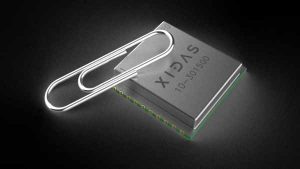
The EHM-UNIV, says the company, is a small surface-mount energy harvesting and power management module that eliminates the need for engineers to purchase energy harvesting evaluation modules and determine how to engineer power management ICs into their application. The module is designed to capture small amounts of harvested energy from sources such as photovoltaic cells, piezoelectric, electro-mechanical, and thermoelectric generators, and continuously trickle charge storage elements like rechargeable Li-Ion batteries, thin-film batteries, or conventional capacitors.
The module, says the company, simply allows an IoT device developer to connect their energy harvesting generator into the device and their supercapacitor/battery to the output – no engineering required.
There are multiple power management ICs for energy harvesting from great companies,” says David Ambrose, Director of engineering, “but they all require significant external power engineering to determine how to condition the energy harvesting generator input, protect the IC and then manage and protect the outputs, either directly or via a supercapacitor or rechargeable battery. At Xidas, we have done the engineering, packaged it in a small SIP module. We feel it should be as simple as selecting your solar, thermal, electromechanical vibration or piezoelectric generators, plugging them into an energy harvesting module and hooking it up to the output.
The EHM-UNIV comes equipped with built-in rectification circuitry, enabling users to easily choose whether to connect an AC or DC energy harvesting source; active overvoltage protection for the energy harvesting circuitry; and a tunable regulated output or unregulated system output conditioned for powering virtually all wireless IoT sensors. The module also has a wide operating temperature range from -40°C to +85°C, and significant power monitoring for IoT battery feedback.
Read more: TURN-KEY ENERGY HARVESTING/PMIC MODULE FOR IOT DEVICES
- What is the EHM-UNIV?
The EHM-UNIV is a surface-mount plug-and-play energy harvesting and power management module for IoT devices. - What energy sources can the EHM-UNIV accept?
It can capture energy from photovoltaic cells, piezoelectric, electro-mechanical, and thermoelectric generators. - Does the module support AC and DC energy harvesting sources?
Yes, it includes built-in rectification circuitry so users can connect either AC or DC sources. - Can the EHM-UNIV charge batteries or capacitors?
Yes, it continuously trickle charges rechargeable Li-Ion batteries, thin-film batteries, or conventional capacitors. - Is there overvoltage protection on the module?
Yes, the module has active overvoltage protection for the energy harvesting circuitry. - What output options does the EHM-UNIV provide?
It offers a tunable regulated output or an unregulated system output conditioned for powering wireless IoT sensors. - What is the operating temperature range of the module?
The module operates from -40°C to +85°C. - Does the EHM-UNIV provide power monitoring?
Yes, it includes significant power monitoring for IoT battery feedback.
